Introduction – Why Turkish Textiles Are a Gold Mine for European Fashion
Turkey sits at the crossroads of East and West, and its textile sector reflects that unique blend of heritage, innovation, and cost efficiency. For fashion brands, designers, and wholesalers looking to diversify supply chains, Turkish fabrics offer a compelling mix of high quality, rapid turnaround, and competitive pricing. Moreover, Turkey’s membership in the EU Customs Union removes many tariff barriers, making the logistics of moving goods into Europe smoother than with many other non‑EU producers.
Yet, turning this strategic advantage into a profitable export operation requires more than a simple “buy‑and‑ship” mindset. You need to understand regulations, choose the right partners, master customs paperwork, and align your product with European consumer expectations. This guide walks you through every critical step— from market research to after‑sales support—so you can launch or scale a textile export business with confidence.
1. Market Research & Feasibility Study
Identify Target Markets Within Europe
- Geographic hotspots: Germany, France, Italy, the UK, and the Benelux countries dominate textile imports due to their large fashion ecosystems.
- Segment focus: Luxury silk, sustainable organic cotton, performance fabrics for sportswear, and fast‑fashion basics each have distinct demand curves.
- Consumer trends: European shoppers increasingly prioritize sustainability, traceability, and ethical production—factors that can become selling points for Turkish manufacturers.
Competitive Landscape
Map out the main competitors—both EU‑based producers and other low‑cost regions such as Bangladesh, Vietnam, and China. Note their price points, lead times, and value‑added services (e.g., design support, private‑label capabilities). This analysis will help you position your offering, whether you aim for “premium Turkish craftsmanship” or “fast, affordable basics.”
Financial Viability
- Cost structure: Calculate raw material costs (cotton, wool, synthetic fibers), labor, energy, and overhead in Turkey versus selling price in Europe.
- Exchange risk: The Turkish lira can be volatile; consider hedging strategies or pricing contracts in euros.
- Break‑even analysis: Include freight, customs duties, insurance, and marketing expenses to determine the minimum order volume needed for profitability.
2. Legal & Regulatory Compliance
Turkish Export Requirements
- Exporter registration: Obtain an Exporter Identification Number (EIN) from the Ministry of Trade.
- Certificate of Origin (CO): Required for customs clearance in the EU; it confirms that the goods are “originating” in Turkey, which can reduce duties under the Customs Union.
- Export licenses: Certain high‑tech or specialized fabrics may need additional permits.
EU Import Regulations
- Tariff classification: Use the Harmonized System (HS) code 50‑63 for textiles; accurate classification prevents delays and unexpected duties.
- Labeling rules: EU Regulation (EU) No 1007/2011 mandates fiber composition, care instructions, and country of origin on textile labels.
- Safety & REACH: Ensure that any chemicals used in finishing or dyeing comply with the Registration, Evaluation, Authorisation and Restriction of Chemicals (REACH) regulation.
- Sustainability certifications: GOTS, Oeko‑Tex Standard 100, and the EU Ecolabel can open doors to eco‑conscious retailers.
Documentation Checklist
| Document | Purpose |
|---|---|
| Commercial Invoice | Customs valuation and payment reference |
| Packing List | Facilitates cargo inspection and inventory control |
| Bill of Lading / Air Waybill | Proof of shipment and carrier contract |
| Certificate of Origin | Enables preferential tariff treatment |
| Material Safety Data Sheet (MSDS) | Compliance with REACH and worker safety |
3. Selecting the Right Turkish Supplier
Where to Find Suppliers
- Industry directories: Turkish Exporters Assembly (TİM), Istanbul Textile and Apparel Exporters’ Association (ITKIB).
- Trade fairs: Istanbul Fashion Fair, Texworld Istanbul, and the International Istanbul Textile Expo.
- Online B2B platforms: Alibaba, Global Sources, and Turkish-specific portals like TurkExport.
Due Diligence Process
- Factory audit: Verify production capacity, quality control labs, and labor standards (e.g., compliance with ILO conventions).
- Sample testing: Request pre‑production samples, run lab tests for colorfastness, shrinkage, and tensile strength.
- Financial health: Review credit reports and payment terms; consider using escrow services for first orders.
- Certifications: Confirm ISO 9001 (quality management), ISO 14001 (environment), and any textile‑specific certifications.
Negotiating Terms
Typical Turkish manufacturers work on FOB (Free on Board) terms, but you can negotiate CIF (Cost, Insurance, Freight) if you prefer the supplier to handle shipping. Discuss payment structures—30 % deposit, 70 % upon delivery is common, though letters of credit (LC) provide added security for larger contracts.
4. Production Planning & Quality Assurance
Design Transfer & Technical Packages
Provide a detailed tech pack that includes sketches, measurements, stitch types, trims, and finishing instructions. The clearer the package, the fewer revisions you’ll need, which speeds up lead times and reduces costs.
Quality Control Milestones
- Pre‑production (PP) inspection: Verify raw material quality and confirm that the factory can meet specifications.
- In‑process (IP) checks: Random sampling during cutting, knitting, or weaving stages.
- Final Random Inspection (FRI): Conduct a 100 % or statistically significant sample test before loading the container.
Risk Management
Consider insurance options such as Marine Cargo Insurance and Trade Credit Insurance. These protect against loss, damage, or buyer default—especially important when dealing with new European partners.
5. Logistics, Shipping & Customs Clearance
Choosing the Right Transport Mode
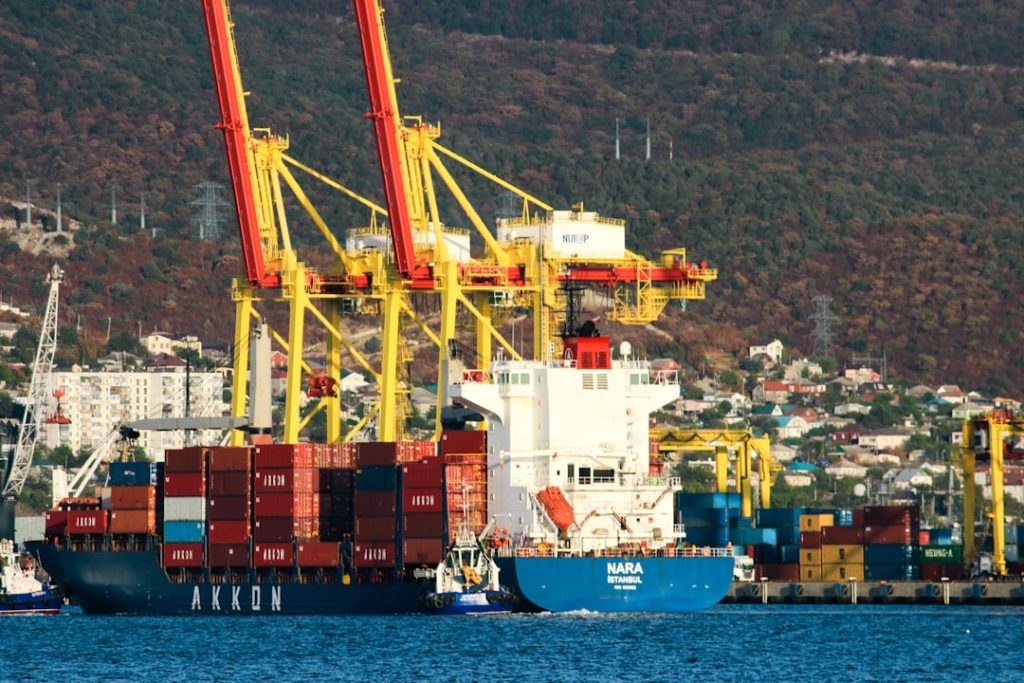
- Sea freight (Full Container Load – FCL): Best for bulk orders; typical transit from Istanbul to Rotterdam or Hamburg is 10‑14 days.
- LCL (Less than Container Load): Cost‑effective for smaller shipments, though handling fees are higher.
- Road & rail intermodal: For fast delivery to neighboring EU countries, especially when using the Marmaray tunnel and the Trans‑European Transport Network.
- Air freight: Reserved for urgent, high‑value items; price premium can be justified for limited‑edition fabrics.
Freight Forwarder Selection
Partner with a forwarder experienced in textile shipments and EU customs. They will handle documentation, arrange container loading, and coordinate with customs brokers on both sides of the border.
Customs Clearance in the EU
- Import declaration: Submit the Entry Summary Declaration (ENS) via the EU’s Automated Export System (AES).
- Duty calculation: Use the TARIC database to verify applicable rates; most textiles benefit from reduced or zero duties under the Customs Union.
- VAT handling: If you are VAT‑registered in the destination country, you can defer VAT payment through the reverse charge mechanism.
6. Marketing, Sales & Distribution in Europe
Positioning Your Turkish Textiles
Leverage storytelling: emphasize Turkey’s centuries‑old weaving traditions, the use of locally sourced natural fibers, and any sustainability certifications. This narrative resonates with European consumers who value authenticity and ethical sourcing.
Channel Strategy
- B2B wholesale: Build relationships with fashion houses, boutique brands, and private‑label manufacturers.
- Online marketplaces: Platforms like Alibaba, Amazon Business, and European B2B portals (e.g., Europages) can generate leads.
- Direct‑to‑Consumer (D2C): If you have a strong brand, consider a localized e‑commerce site with EU‑focused SEO and multilingual content.
- Showroom & trade shows: Maintain a presence at events such as Premiere Vision Paris or Pitti Immagine in Florence.
Pricing Strategy
Factor in landed cost (production + freight + duties + VAT) and add a margin that reflects your brand positioning. Offer tiered pricing for bulk orders to incentivize larger contracts.
7. After‑Sales Service & Continuous Improvement
Customer Support
Provide clear channels for returns, quality complaints, and technical assistance. A responsive after‑sales team builds trust and encourages repeat business.
Feedback Loop
Collect performance data from European buyers—delivery times, defect rates, and market reception. Share this feedback with your Turkish supplier to refine processes, improve quality, and adapt designs to evolving trends.
Scaling Up
Once you have a stable order flow, explore options such as:
- Establishing a local EU subsidiary for faster invoicing and VAT handling.
- Co‑creating exclusive collections with Turkish designers to differentiate your portfolio.
- Investing in joint‑venture production facilities in Turkey to secure capacity and negotiate better pricing.
8. Frequently Asked Questions (FAQ)
Do I need an EU import license to bring Turkish textiles into Europe?
No specific import license is required for most textile categories, but you must comply with labeling, safety, and REACH regulations.
How long does customs clearance usually take?
When documentation is complete and the goods are correctly classified, clearance can be as fast as a few hours. Delays often stem from missing certificates or incorrect HS codes.
Can I claim a reduced duty rate under the EU‑Turkey Customs Union?
Yes. Most textiles benefit from zero or reduced tariffs, provided you have a valid Certificate of Origin and the product meets the rules of origin.
What are the most sustainable fabrics produced in Turkey?
Organic cotton, Tencel® (lyocell), recycled polyester, and wool from certified farms are widely produced and carry recognized eco‑certifications.
Conclusion – Turning Turkey’s Textile Strength into European Market Success
Exporting textiles from Turkey to Europe is not a one‑size‑fits‑all venture; it demands careful planning, regulatory awareness, and strong partnerships on both sides of the border. By following the step‑by‑step framework outlined above—starting with solid market research, moving through compliant production and efficient logistics, and finishing with targeted sales and after‑sales support—you can transform Turkey’s competitive advantages into a thriving European business.
Remember, the key differentiators are quality, speed, and sustainability. Leverage Turkey’s heritage and modern capabilities, stay ahead of EU regulations, and continuously listen to your European customers. With these practices in place, your fashion business will not only enter the European market but also build a lasting, profitable presence that can adapt to future trends and challenges.