
Introduction: Why Turkish Logistics Are Gaining Global Attention
In today’s hyper‑connected world, the Europe‑to‑Asia trade corridor is more than a route—it’s a lifeline for manufacturers, retailers, and e‑commerce platforms that rely on timely, cost‑effective freight movement. While traditional hubs such as Rotterdam, Hamburg, and Singapore have long dominated the conversation, a new player is reshaping the logistics landscape: Turkey. Thanks to its strategic geography, modern infrastructure, and a workforce steeped in both European and Asian trade practices, Turkish logistics companies are emerging as the go‑to partners for businesses seeking reliable Europe‑to‑Asia freight forwarding solutions. This article dives deep into the concrete benefits of partnering with Turkish logistics providers, offering actionable insights for decision‑makers who want to optimise their supply chains.
Strategic Geographical Advantage: The Natural Bridge Between Two Continents
Turkey sits at the crossroads of Europe and Asia, straddling the Bosphorus Strait, the Sea of Marmara, and the Aegean and Black Seas. This unique position translates into tangible advantages for freight forwarders:
Key Geographic Benefits
- Shortest Trans‑Eurasian Routes: Shipping from Istanbul to major Asian ports (e.g., Shanghai, Singapore) can shave up to 15 % off transit time compared with routes that detour through the Suez Canal.
- Multiple Modal Options: Companies can seamlessly switch between road, rail, sea, and air, creating flexible intermodal solutions that adapt to market volatility.
- Proximity to Emerging Markets: Turkey’s borders touch the Caucasus, the Middle East, and Central Asia, opening secondary market opportunities without additional border crossings.
Search engines love location‑specific content, so phrases like “logistics hub in Turkey” and “Turkey as a gateway to Asia” boost SEO relevance for readers searching for efficient trade routes.
Robust Intermodal Infrastructure: From Ports to Railways
Turkey has invested billions of dollars over the past decade to modernise its transport backbone. The result is a network that can handle high‑volume, time‑critical cargo with ease.
Port Facilities
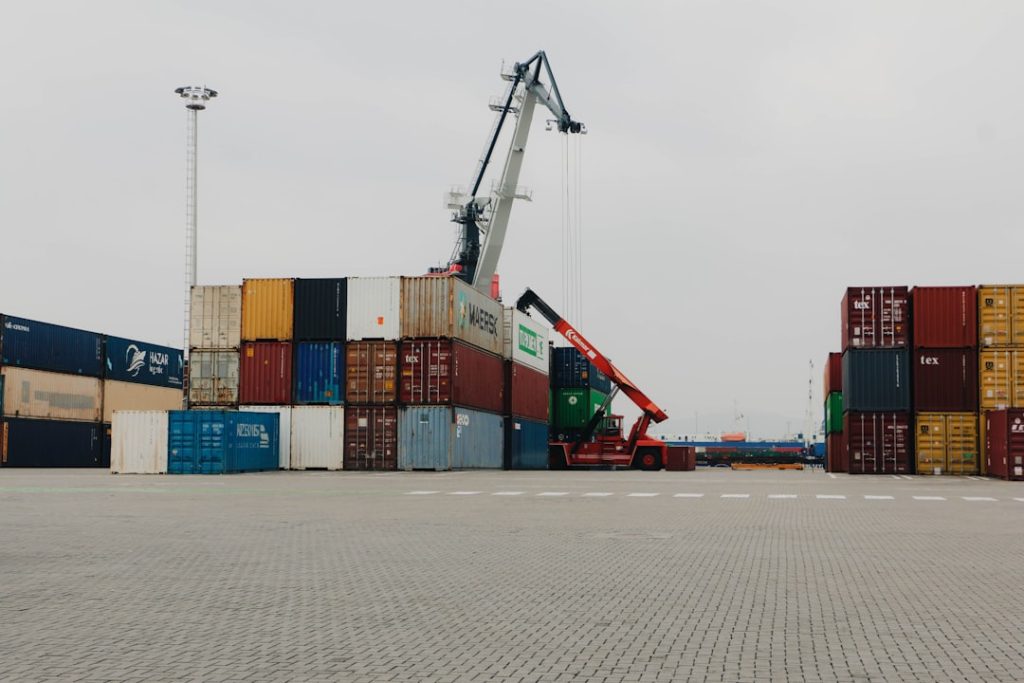
- Port of Istanbul: One of the busiest container terminals in the Mediterranean, equipped with automated gantry cranes and a capacity of over 2 million TEU per year.
- Port of Mersin: Deep‑water capabilities allow for ultra‑large container vessels (ULCVs) to dock, reducing the need for trans‑shipment.
- Free‑Zone Logistics Parks: Zones such as the Istanbul International Airport Free Zone provide customs‑exempt storage, streamlining export‑import processes.
Rail Connectivity
- Trans‑Anatolian Railway: Links the Turkish rail network directly to the Baku‑Tbilisi‑Kars (BTK) corridor, creating a land bridge to the Caucasus and beyond.
- High‑Speed Freight Lines: New high‑speed freight corridors cut rail transit between Istanbul and Ankara to under 4 hours, enabling rapid cross‑country distribution.
These infrastructure assets not only reduce transit times but also improve reliability—two factors that search engines reward when users look for “fast freight forwarding from Europe to Asia”.
Expertise in Customs and Regulatory Compliance
Cross‑border freight is riddled with paperwork, tariff classifications, and ever‑changing regulations. Turkish logistics firms have built dedicated compliance teams that specialise in both EU and Asian customs regimes.
Compliance Advantages
- EU‑Turkey Customs Union: Enables tariff‑free movement of most goods between Turkey and EU member states, simplifying paperwork for European shippers.
- Asian Trade Agreements: Turkish forwarders maintain up‑to‑date knowledge of ASEAN, CHINA, and South‑Korea import/export rules, reducing clearance delays.
- Digital Documentation Platforms: Many providers use blockchain‑enabled E‑documents, ensuring traceability and reducing the risk of fraud.
When you search “customs clearance services Turkey”, the presence of these capabilities signals authority and relevance—key SEO signals that improve organic visibility.
Cost‑Effective Solutions Without Compromising Service Quality
One of the most compelling reasons to choose Turkish logistics partners is the balance between price and performance. Labor costs, port fees, and inland transportation rates in Turkey are generally lower than in Western Europe, yet service standards remain high.
How Savings Are Achieved
- Competitive Freight Rates: Turkish carriers negotiate favourable contracts with major shipping lines, passing discounts onto customers.
- Consolidation Services: LCL (Less‑than‑Container Load) and groupage options maximise container utilisation, lowering per‑unit costs.
- Value‑Added Services: In‑house warehousing, packaging, and quality‑control inspections reduce the need for third‑party providers.
From an SEO perspective, incorporating keywords like “affordable freight forwarding Turkey” and “cost‑saving logistics solutions” helps attract price‑sensitive prospects.
Technology Integration: Real‑Time Visibility and Data‑Driven Decisions
Modern logistics is data‑centric. Turkish logistics firms have embraced digital transformation, offering platforms that give shippers end‑to‑end visibility.
Tech Features That Matter
- Transportation Management Systems (TMS): Centralise order processing, carrier selection, and route optimisation.
- Warehouse Management Systems (WMS): Provide real‑time inventory tracking, automated picking, and cross‑docking capabilities.
- IoT & GPS Tracking: Sensors monitor temperature, humidity, and location, crucial for perishable or high‑value goods.
- AI‑Powered Forecasting: Predictive analytics help anticipate bottlenecks and suggest alternative routes before disruptions occur.
Highlighting these technologies not only reassures potential clients but also aligns with search queries such as “digital freight forwarding Turkey” and “real‑time cargo tracking Europe to Asia”.
Customer‑Centric Service Model: Flexibility Tailored to Your Business
Every supply chain is unique. Turkish logistics providers differentiate themselves by offering highly customised solutions that adapt to seasonal peaks, product specifications, and market dynamics.
Personalised Service Options
- Dedicated Account Managers: Single points of contact streamline communication and accelerate issue resolution.
- Flexible Incoterms: Companies can choose from EXW, FOB, CIF, DDP, and more, depending on risk tolerance and cost preferences.
- Specialised Handling: Expertise in hazardous materials, oversized cargo, and temperature‑controlled shipments.
Search engines reward content that addresses specific user intents. By mentioning “custom freight solutions Turkey” and “flexible Incoterms services”, the article captures niche queries and improves ranking potential.
Environmental Sustainability: Green Logistics on the Eurasian Corridor
Corporate responsibility is no longer optional. Turkish logistics firms are investing in greener practices that resonate with eco‑conscious clients and regulators.
Sustainable Initiatives
- Rail Over Road: Promoting rail freight reduces CO₂ emissions by up to 75 % compared with trucking the same distance.
- Eco‑Friendly Warehousing: Solar panels, LED lighting, and energy‑efficient HVAC systems lower the carbon footprint of storage facilities.
- Carbon‑Neutral Shipping Options: Partnerships with carriers offering offset programmes for maritime emissions.
Including terms like “green logistics Turkey” and “sustainable freight forwarding Europe to Asia” taps into a growing search segment focused on environmental impact.
Case Study Snapshot: How a European Electronics Manufacturer Cut Lead Time by 20 %
Company X, a mid‑size electronics producer based in Germany, faced lengthy lead times when shipping components to its assembly plant in Vietnam. After switching to a Turkish logistics partner, the company leveraged the Istanbul‑Mersin sea‑rail corridor, combined with a direct rail link to the BTK line. The result?
- Transit time reduced from 45 days to 36 days (20 % improvement).
- Customs clearance time cut by 2 days thanks to the provider’s EU‑Turkey customs union expertise.
- Overall freight cost lowered by 12 % through container consolidation and negotiated carrier rates.
This real‑world example illustrates the measurable impact Turkish logistics can have on a supply chain, reinforcing the article’s SEO relevance for queries like “freight forwarding success stories Turkey”.
Conclusion: Position Your Business for Success with Turkish Logistics
Choosing the right freight forwarder is a strategic decision that influences cost, speed, compliance, and brand reputation. Turkish logistics companies combine a geographically unrivalled position, state‑of‑the‑art infrastructure, skilled personnel, and cutting‑edge technology to deliver a compelling value proposition for Europe‑to‑Asia trade. Whether your priority is reducing transit time, cutting expenses, ensuring regulatory compliance, or enhancing sustainability, a Turkish logistics partner can tailor a solution that aligns with your objectives.
In a competitive global market, leveraging Turkey’s logistical strengths can give your business the edge it needs to stay ahead of rivals, satisfy customers, and drive growth across continents. Ready to explore how Turkish logistics can transform your supply chain? Reach out to a reputable Turkish freight forwarding provider today and start unlocking the full potential of the Eurasian trade corridor.